IF ONLY WE WOULD GIVE PEACE A CHANCE
Remembering John Lennon on his 86th Birthday
On October 9, John Lennon would have turned 86.
For millions of us, John will always be remembered as a Beatle: the young man holding a guitar from Liverpool whose music, together with Paul, George, and Ringo, crossed borders and generations and changed popular culture. When I think about John Lennon, especially today, I think about something else.
Peace... For me, that connection is personal.
My Journey to Liverpool
Years ago, I had the privilege of traveling to Liverpool and singing at the magnificent St George’s Hall. While I was there, I took the Magical Mystery Tour and visited many of the places I had known for years through the music of the Beatles.
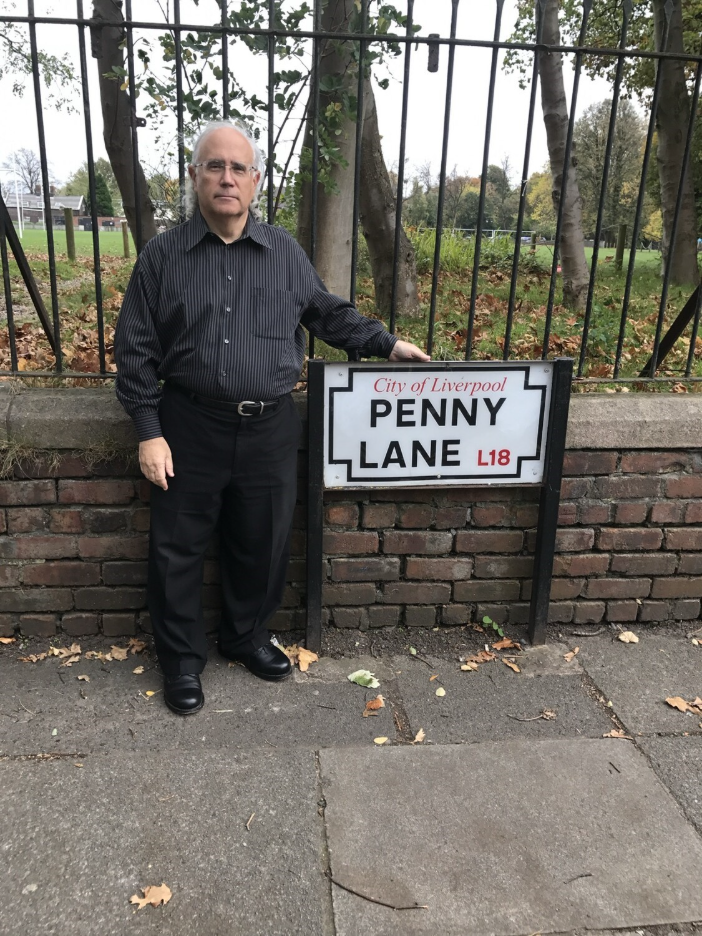
I stood at the Penny Lane sign.
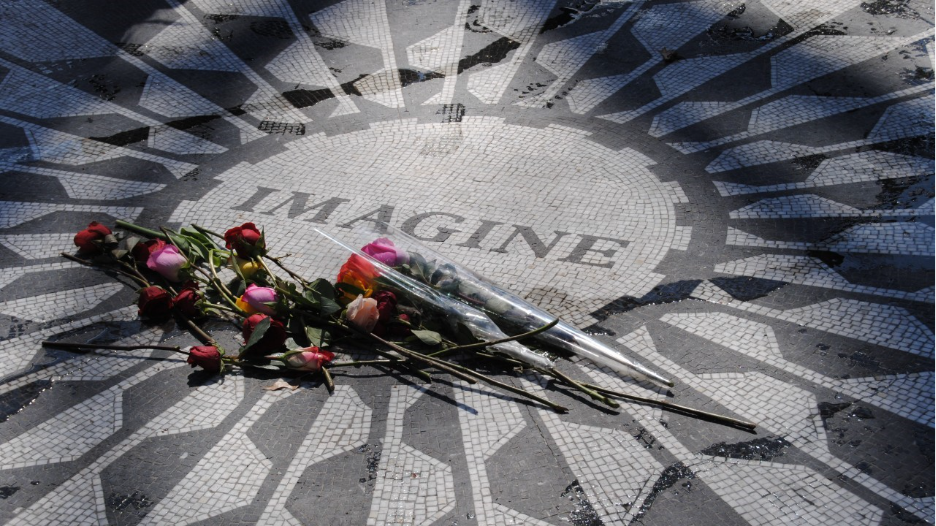
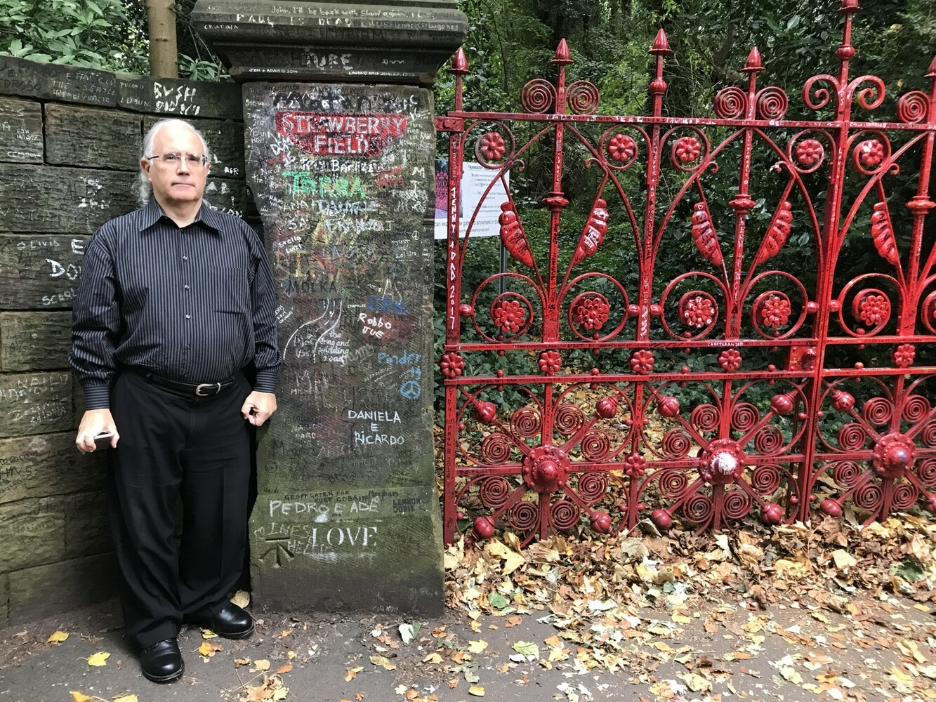
I went to Strawberry Field.
I walked through the neighborhoods where four young men began a musical journey that would eventually reach every corner of the world.
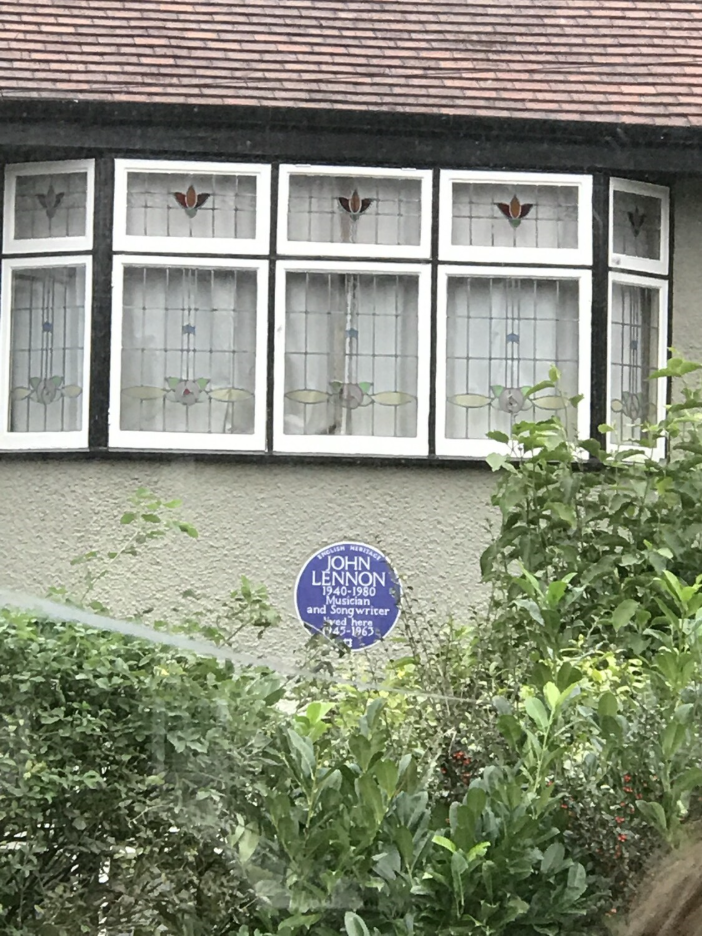
I stood outside Mendips, 251 Menlove Avenue, the house where John Lennon grew up.
Today, looking back at the photographs I took there, that house has an even greater significance for me.
Mendips: Where a Voice Began
John came to live at Mendips with his Aunt Mimi and Uncle George when he was five. It remained his home until his early twenties. Within that very ordinary Liverpool house, music became part of the life of the young man who would eventually help change music history.
Mendips also stands beside one of the great tragedies of John’s life. On July 15, 1958, John’s mother, Julia Lennon, had been visiting her sister Mimi at the house. After leaving, Julia crossed Menlove Avenue to catch a bus home. She was struck by a car and killed. John was only seventeen. The National Trust notes that although he did not immediately show the depth of his grief, Julia’s death affected him profoundly.
When I stood outside that house and took my photograph of the blue plaque, I was standing not only where John Lennon grew up, but in the landscape of the love and loss that helped shape the person and artist he became.
Years later, John would write the beautiful and deeply personal Beatles song “Julia” in memory of his mother.
There is something profoundly human about remembering that before the fame, before the Beatles, before the peace campaigns and before hundreds of thousands of people were singing his words together, there was a young man in Liverpool who had experienced loss.
From Liverpool to a Message of Peace
A decade after Julia’s death, John Lennon was one of the most recognizable people on Earth. He increasingly chose to use that extraordinary visibility to talk about peace.
In 1969, during John and Yoko Ono’s Bed-In for Peace at the Queen Elizabeth Hotel in Montreal, “Give Peace a Chance” was recorded in their hotel room. It was released that July and quickly became much larger than a record. It became something people could sing together.
That distinction matters.
John wasn’t claiming to possess some complicated formula for world peace. In explaining the idea behind the song, he said, in essence: consider the alternative to war. Give peace an opportunity. More than half a century later that simple proposition is as urgent as ever.
Then Came “If Only”
Many years after my visit to Liverpool, my own journey led me to Destination Peace and to singing our anthem, “If Only.”
As John Lennon’s birthday approached this year, I began thinking about the connection.
I would never suggest that If Only is another Give Peace a Chance. Each song belongs to its own creators, its own time, and its own circumstances but I believe they share an aspiration.
What if humanity chose something different?
What if the divisions we have created between nations, religions, races, and cultures did not have to determine our future? What if instead of accepting war as inevitable, we allowed ourselves to imagine peace as possible? John expressed that aspiration in his way. Today, through Destination Peace, we are trying to express it in ours.
One Voice Inspires Another
That is why my photographs from Liverpool mean something different to me today than when I took them. The photograph at Penny Lane isn't simply a photograph of a famous street sign.
Strawberry Field isn't simply a Beatles landmark.
Mendips isn't simply the childhood home of the famous Beatle and my opportunity to sing at St George’s Hall isn't simply a wonderful memory from my life. Looking backward from where I stand today, I can see a thread running through them.
Music. Humanity. Loss. Hope. Peace.
That is one of music's extraordinary powers. A song doesn't have to solve the world's problems. Sometimes a song simply has to plant an idea. Another person hears it. Another voice takes it up. Another generation finds different words and a different melody with which to express the same hope and the song continues.
Destination Peace
Today our world is still divided. Wars continue. Children still grow up surrounded by conflicts they did not create. People are still separated from one another by religion, nationality, race, politics, and ideology. It would be easy to conclude that songs cannot matter in the face of problems so enormous.
I believe precisely the opposite. Music can enter places that speeches cannot. It can bring people who disagree about almost everything into the same room, listening to the same melody and sometimes, for a few minutes, singing with one voice.
That is the idea at the heart of Destination Peace. Not that a song alone will create peace but that before humanity can build a more peaceful world, we must be capable of imagining one together.
John Lennon understood something about that.
Happy Birthday, John, Happy Birthday to You
So, on October 9, I will remember John Lennon on what would have been his 86th birthday. I will remember the Beatle. I will remember the songwriter, but I will also remember the seventeen-year-old boy who lost his mother on Menlove Avenue.
I will remember the young man who emerged from those Liverpool streets and eventually found himself with a voice capable of reaching hundreds of millions of people and I will remember what he chose to do with some of that voice. He asked us to consider peace. Decades later, the question remains before us.
John Lennon asked the world to give peace a chance.
Today, when I sing If Only, I add my voice to that same human longing, not to recreate John’s moment, but to carry the aspiration forward in our own time. One voice inspires another. One song leads to another. One generation hands the hope to the next.
“If Only” – excerpt from the documentary One True Voice. Interested in seeing more? Watch the full documentary on YouTube. CLICK HERE FOR ONE TRUE VOICE
Give Peace a Chance. Perhaps, one day...
We are striving for peace eight days a week here at Destination Peace.